
Best Tactical Hunting Rifles of 2026: AR-15 Calibers for Every Game Type
The AR-15 platform has changed a lot over time. Not just a range rifle anymore. Not just for sport shooting either. Now, slowly, it’s becoming a serious option in hunting. And honestly… that shift makes sense.
But here’s the thing most people miss. It’s not really about the rifle. It’s about the caliber you choose. That’s where everything changes.
Because one setup won’t work for every situation. It just doesn’t.
Different game. Different distance. Different environment. So yeah… caliber matters more than people expect.
A few years ago, AR-style rifles weren’t common in hunting. Many hunters avoided them. Too tactical. Too modern. Didn’t feel traditional.
But things changed.
The biggest reason? Flexibility.
With an AR-15, you don’t always need a completely new rifle for a different purpose. You can switch calibers. Adjust parts. Modify the setup. That’s a big advantage, especially for hunters who deal with different terrains or targets.
It also helps that these rifles offer better ergonomics. Adjustable stocks. Easy scope mounting. And in many cases, manageable recoil. Not perfect. But very adaptable.
And hunting… is rarely predictable.
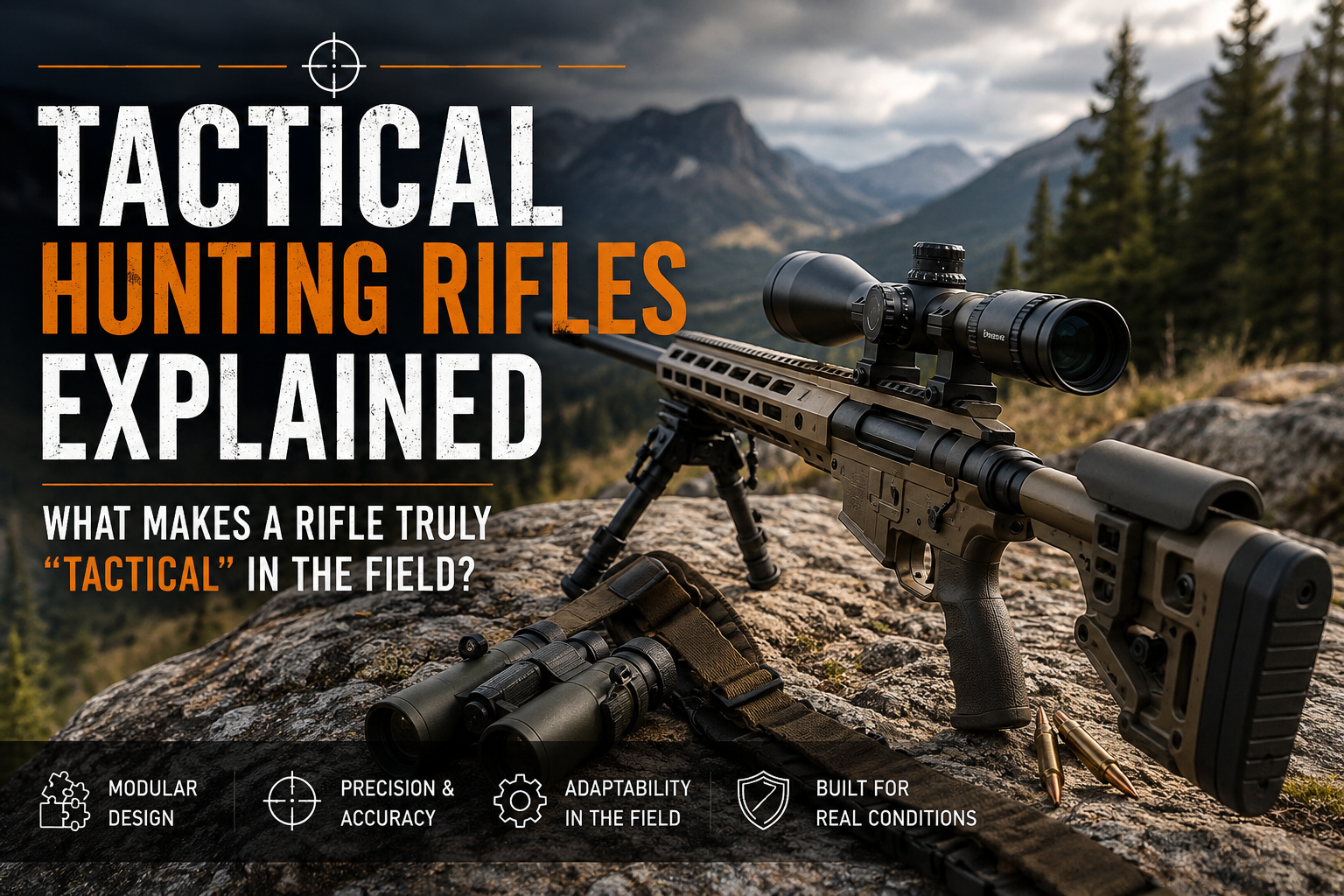
Now let’s talk about calibers. Because this part really matters.
Caliber decides how powerful your shot is. How far it can go effectively. And what type of game you can ethically hunt.
Too small, and you risk poor impact. Too large, and you deal with unnecessary recoil or damage.
So it’s always about balance. Not extremes.
For small game like coyotes, rabbits, or varmints, you don’t need heavy power. What you need is precision. Speed. Control.
That’s where calibers like .223 Remington and 5.56 NATO come in. They’re common. Easy to handle. Low recoil. Perfect for quick shots and shorter to medium distances.
They do the job cleanly. Without overdoing it.
Now step into medium game. Deer, antelope… slightly bigger targets. Here, things change a bit.
You need more stopping power. Better energy transfer. Something that performs consistently at different ranges.
Calibers like 6.5 Grendel and .300 Blackout are often preferred.
6.5 Grendel is known for accuracy. It performs well at longer distances and holds energy better. On the other hand, .300 Blackout feels different. More suited for shorter ranges, especially in dense environments like woods.
So your environment matters. A lot.
For larger game like wild boar or even elk, things get a bit complicated with AR-15 platforms.
They’re not traditionally designed for this category. But some calibers, like 6.8 SPC, can still work within limits.
Here, shot placement becomes critical. You can’t rely only on power. You need precision and experience.
And honestly… many hunters prefer larger rifle platforms for this kind of game. Which is understandable.
So what makes these rifles “tactical” in 2026?
Not just the design. That’s the surface level.
It’s more about how they’re used now.
Modern tactical hunting rifles focus on adaptability. Modular builds. Precision setups. Better optics integration. You can build your rifle for a specific hunt… then change it later.
That’s the real advantage.
Not the look. Not the label.
The flexibility.
Before choosing anything, it helps to think practically.
Where are you hunting? Open land or dense forest? What distance are you usually shooting from? What game are you targeting?
Because one common mistake… people follow trends instead of their actual needs.
And that usually leads to the wrong setup.
Imagine a simple scenario.
Early morning. Light wind. You’re hunting deer at a medium distance. You’re using a 6.5 Grendel setup. Everything feels stable. Balanced. You take the shot. It lands clean.
Now imagine using a smaller caliber in the same situation. It might still work. But your margin for error increases.
That’s the difference.
Not huge on paper. But noticeable in real situations.
There are also some common mistakes people make.
They choose the rifle first, then think about caliber later. That’s backwards. Caliber should come first.
Some go for more power than needed. Just to be safe. But that often creates unnecessary recoil and discomfort.
And sometimes, people ignore hunting regulations. Which can cause real problems. So yeah… always check local laws.
In the end, AR-15 rifles have evolved. They’re no longer limited to one purpose.
In 2026, they can be effective hunting tools. But only when used correctly.
The key is not just the rifle. It’s the combination of caliber, setup, and understanding your environment.
Not hype. Not trends.
Just what works when you’re actually out there.
FAQs
What is the best AR-15 caliber for hunting in 2026?
There’s no single best option. It depends on the game. .223 works well for small game, while 6.5 Grendel is better for medium-sized animals.
Can you hunt deer with an AR-15?
Yes, you can. Calibers like 6.5 Grendel or .300 Blackout are commonly used for deer hunting, depending on the conditions.
Is .223 enough for hunting?
It works for small game and varmints. For larger animals, it may not provide enough stopping power in all situations.
Why are AR-15 rifles popular for hunting now?
Mainly because of flexibility. You can customize them, change calibers, and adapt them for different hunting needs.
Are AR-15 rifles legal for hunting everywhere?
No, laws vary by location. Always check your local hunting regulations before using one.